A Brief History of Memorial Day
Originally called Decoration Day, Memorial Day is a day of
remembrance for those who have died in service to our country. It
began during the Civil War when organized women's groups in several
towns throughout the South decorated the graves of the Confederate
war dead with flowers, wreaths and flags. Memorial Day was
officially proclaimed on May 5th, 1868 by General John Logan,
national commander of the Grand Army of the Republic, in his General
Order No. 11, and was first observed on May 30, 1868.
Memorial
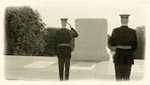
Day is celebrated at Arlington National Cemetery each year with a
ceremony in which a small American flag is placed on each grave.
Traditionally, the President or Vice President lays a wreath at the
Tomb of the Unknown Soldier. The occasion is also marked in almost
every State on the last Monday in May. Several southern states,
however, have an additional, separate day for honoring the
Confederate war dead: January 19 in Texas, April 26 in Alabama,
Florida, Georgia, and Mississippi; May 10 in South Carolina; and
June 3 (Jefferson Davis' birthday) in Louisiana and Tennessee.
Here is General Logan's official order:
General Orders No.11, WASHINGTON, D.C., May 5, 1868
The 30th day of May, 1868, is designated for the purpose of
strewing with flowers or otherwise decorating the graves of comrades
who died in defense of their country during the late rebellion, and
whose bodies now lie in almost every city, village, and hamlet
church-yard in the land. In this observance no form of ceremony is
prescribed, but posts and comrades will in their own way arrange
such fitting services and testimonials of respect as circumstances
may permit.
We are organized, comrades, as our regulations tell us, for
the purpose among other things, "of preserving and strengthening
those kind and fraternal feelings which have bound together the
soldiers, sailors, and marines who united to suppress the late
rebellion." What can aid more to assure this result than cherishing
tenderly the memory of our heroic dead, who made their breasts a
barricade between our country and its foes? Their soldier lives were
the reveille of freedom to a race in chains, and their deaths the
tattoo of rebellious tyranny in arms. We should guard their graves
with sacred vigilance. All that the consecrated wealth and taste of
the nation can add to their adornment and security is but a fitting
tribute to the memory of her slain defenders. Let no wanton foot
tread rudely on such hallowed grounds. Let pleasant paths invite the
coming and going of reverent visitors and fond mourners. Let no
vandalism of avarice or neglect, no ravages of time testify to the
present or to the coming generations that we have forgotten as a
people the cost of a free and undivided republic.
If our eyes grow dull, other hands slack, and other hearts
cold in the solemn trust, ours shall keep it well as long as the
light and warmth of life remain to us.
Let us, then, at the time appointed gather around their
sacred remains and garland the passionless mounds above them with
the choicest flowers of spring-time; let us raise above them the
dear old flag they saved from his honor; let us in this solemn
presence renew our pledges to aid and assist those whom they have
left among us a sacred charge upon a nation's gratitude, the
soldier's and sailor's widow and orphan.
It is the purpose of the Commander-in-Chief to inaugurate
this observance with the hope that it will be kept up from year to
year, while a survivor of the war remains to honor the memory of his
departed comrades. He earnestly desires the public press to lend its
friendly aid in bringing to the notice of comrades in all parts of
the country in time for simultaneous compliance therewith.
Department commanders will use efforts to make this order
effective.
By order of
JOHN A.
LOGAN,
Commander-in-Chief
N.P. CHIPMAN,
Adjutant General
Official:
WM. T. COLLINS, A.A.G.
|
















.jpg)